
The procurement software landscape has changed dramatically over the last few years. Companies are no longer satisfied with email chains, disconnected spreadsheets, and endless approval loops that consume time and create financial blind spots. Businesses now expect a centralized ecosystem where purchasing, spending, approvals, budgeting, and financial intelligence all live under one roof. That shift explains the rapid rise of modern procurement solutions. Platforms like Ramp have become examples of how software can transform purchasing from an administrative burden into a strategic business function.
Recent market trends indicate that digital procurement transformation is accelerating across startups, mid-sized organizations, and enterprises. Financial automation and spend visibility have become boardroom priorities rather than back-office concerns. Organizations increasingly want systems that not only process requests but also predict spending patterns, automate repetitive decisions, and reduce waste. Procurement is becoming smarter and deeply integrated into financial operations.
Building a procurement platform like Ramp is not simply about creating a dashboard where employees request purchases. It requires a thoughtful combination of workflow design, financial controls, security, analytics, and automation. Think of it as constructing an airport rather than building a road. You are not creating a single route; you are designing an ecosystem where multiple systems operate in sync. Understanding how this ecosystem works is the first step toward creating a product that can compete in the rapidly evolving procurement technology market.
Understanding the Rise of Modern Procurement Platforms
Traditional procurement methods created friction at almost every stage of purchasing. Employees submitted requests manually, managers approved expenses through email, finance teams reconciled records separately, and executives lacked visibility into spending patterns. It resembled a relay race where every participant carried information independently and frequently dropped the baton. The result often included delayed approvals, duplicate spending, and budget overruns.
Businesses today expect speed and transparency. Hybrid work environments and distributed teams have added new complexity to purchasing decisions. Employees purchase software subscriptions, equipment, vendor services, and operational resources from multiple locations. Managing all those expenses manually becomes nearly impossible. Digital procurement platforms emerged because companies needed a unified system capable of handling dynamic purchasing behavior.
The evolution of finance technology also contributed significantly to procurement growth. Organizations increasingly combine purchasing and financial intelligence into one system. Procurement platforms now provide automated approvals, policy enforcement, and spending insights. Instead of reacting after expenses occur, businesses can influence spending behavior before money leaves company accounts. That proactive approach transforms procurement into a strategic capability rather than a support function.
Why businesses are moving beyond spreadsheets
Spreadsheets served organizations for decades because they offered flexibility and low barriers to use. Yet scalability became their greatest weakness. As companies expanded, spreadsheet-based purchasing created fragmented records and increased operational risk. Human error alone became expensive. One misplaced formula could distort spending analysis or create compliance problems.
Teams also discovered collaboration limitations. Imagine ten departments editing procurement records simultaneously. Conflicting versions, outdated information, and manual updates create confusion. Modern procurement software eliminates these challenges by centralizing information and maintaining real-time synchronization across departments.
The impact of finance automation on procurement
Finance automation changed procurement in the same way GPS changed navigation. Instead of relying entirely on manual decisions, organizations can use intelligent systems that recommend actions, identify anomalies, and streamline approvals. Automation reduces repetitive work while improving visibility and accuracy.
Platforms increasingly leverage workflow engines to process purchasing requests automatically based on predefined rules. Low-risk purchases can receive immediate approval, while larger requests trigger escalation paths. Employees spend less time chasing signatures, and finance teams maintain tighter control.
What Makes Ramp a Standout Procurement Platform
Ramp has gained attention because it combines multiple financial functions into a single ecosystem. Instead of treating procurement as an isolated process, it connects purchasing, expenses, corporate cards, approvals, and financial visibility. This integrated approach creates a smoother experience for organizations seeking operational efficiency.
Many procurement tools focus solely on purchase requests and approvals. Ramp extends beyond those functions. It attempts to reduce friction at every spending stage. Teams can create purchasing workflows while simultaneously monitoring budgets and enforcing policy compliance. This unified structure enables companies to manage spending proactively.
Another factor behind Ramp's growth is user experience. Enterprise software historically suffered from complicated interfaces requiring extensive training. Modern users expect consumer-grade design standards. If a platform feels difficult, employees avoid it. Ramp addresses this challenge through simplicity and automation, making procurement less intimidating and more accessible.
Core features that drive adoption
The following table outlines common capabilities found in advanced procurement platforms:
FeatureBusiness BenefitPurchase request workflowsStandardizes purchasing processApproval automationReduces delaysVendor managementCentralizes supplier dataBudget controlsPrevents overspendingAnalytics dashboardProvides real-time visibilityPolicy enforcementImproves complianceIntegrationsConnects finance systems
Features alone rarely determine success. Businesses adopt software because features solve operational pain points effectively.
Procurement as part of a larger finance ecosystem
Procurement no longer functions independently. Purchasing decisions influence budgets, cash flow, forecasting, and strategic planning. Integrating procurement into broader financial systems allows organizations to understand spending patterns more accurately.
Think of procurement as one instrument inside an orchestra. Alone it performs a melody. Connected with accounting, budgeting, and reporting systems, it creates a complete composition. Platforms that recognize this relationship deliver stronger long-term value.
Market Trends Shaping Procurement Software in 2026
The procurement industry continues evolving rapidly. Artificial intelligence, predictive analytics, and embedded finance are changing expectations across industries. Organizations increasingly seek platforms capable of reducing operational costs while improving decision quality.
Industry reports indicate growing investments in AI-powered procurement technologies. Businesses now expect systems to identify spending anomalies, recommend suppliers, and automate repetitive workflows. Procurement platforms are shifting from reactive transaction systems into proactive decision engines.
The demand for integrated financial ecosystems also continues rising. Organizations prefer centralized software environments rather than fragmented tools requiring manual synchronization. This trend creates opportunities for platforms capable of serving procurement and finance functions simultaneously.
AI-driven purchasing workflows
Artificial intelligence introduces a new layer of intelligence into procurement operations. Instead of merely executing predefined workflows, AI can evaluate patterns and make recommendations. Purchasing systems may eventually identify preferred vendors automatically based on cost, reliability, and historical performance.
Machine learning algorithms also support anomaly detection. Unusual purchases can trigger alerts before transactions occur. This capability strengthens financial oversight and reduces unnecessary spending.
Embedded finance and spend management
Embedded finance allows procurement platforms to integrate payment functionality directly into workflows. Organizations increasingly expect procurement systems to process payments, issue cards, and synchronize financial data automatically.
The distinction between procurement and financial infrastructure continues shrinking. Platforms that embrace embedded capabilities can create smoother experiences and stronger retention.
Essential Features for Building a Procurement Platform
Creating a procurement platform requires balancing user needs, operational requirements, and technical complexity. Every feature should support usability while maintaining strong governance controls.
A common mistake during development involves adding too many features at launch. Successful products often begin with a focused minimum viable product and expand gradually. Building core procurement functions first allows teams to validate assumptions before investing heavily.
User experience also deserves attention. Procurement software should remove friction rather than introduce complexity. Employees often interact with purchasing systems under time constraints. Clear workflows and intuitive interfaces significantly affect adoption rates.
User authentication and role-based access
Security begins with identity management. Procurement systems contain financial information and sensitive business records. Role-based permissions ensure users only access information relevant to their responsibilities.
Multi-factor authentication and single sign-on integrations strengthen security further. Enterprises increasingly prioritize centralized identity management across software ecosystems.
Purchase request and approval workflows
Approval systems represent the backbone of procurement software. Organizations often establish spending thresholds and approval hierarchies based on department, budget, or purchase type.
Workflow engines should remain flexible enough to support changing organizational structures. Companies evolve rapidly, and rigid approval systems eventually create bottlenecks.
Vendor management systems
Suppliers represent critical procurement relationships. Vendor modules centralize contact information, contracts, compliance records, and purchasing history.
Without centralized supplier data, organizations risk inconsistent purchasing practices and missed opportunities for cost optimization.
Budget controls and expense visibility
Real-time budget tracking helps organizations avoid overspending before it occurs. Employees can view available budgets and understand spending limits during purchasing decisions.
Visibility changes behavior. When teams understand financial impact immediately, spending becomes more intentional and accountable.
Real-time reporting dashboards
Dashboards convert raw transaction data into meaningful business insights. Procurement leaders need visibility into spending trends, department activity, and supplier performance.
Analytics also support strategic decisions. Historical purchasing patterns can reveal opportunities for negotiation and operational improvement.
Technology Stack Required for Development
Technology choices significantly affect scalability, performance, and development efficiency. Selecting the wrong stack can create technical debt that becomes difficult to manage later.
Modern procurement platforms frequently use JavaScript frameworks for front-end development because they support dynamic interfaces and responsive user experiences. React remains a popular choice due to flexibility and ecosystem maturity.
Backend systems require robust architecture capable of handling workflows, APIs, financial logic, and user management. Node.js, Python, and Java remain common selections depending on product requirements and engineering expertise.
Front-end architecture
Front-end systems should prioritize responsiveness and usability. Procurement workflows involve frequent interactions and dynamic state changes. Component-driven architecture supports maintainability and scalability.
Design systems also create consistency across interfaces. Unified visual standards reduce user friction.
Back-end infrastructure
Backend services manage business logic, workflow orchestration, notifications, and integrations. Microservice architecture often supports long-term scalability for procurement products.
Distributed systems also improve flexibility by allowing teams to update individual services independently.
Cloud and database selection
Cloud platforms provide elasticity and operational efficiency. AWS, Azure, and Google Cloud frequently support procurement applications because they offer security and compliance capabilities.
Database selection depends on requirements. Relational databases often support transactional integrity, while NoSQL systems help manage flexible datasets.
Step-by-Step Development Process
Developing procurement software requires structured execution. Jumping directly into coding resembles constructing a building without a blueprint. Teams should define goals, users, and workflows before implementation begins.
Discovery research helps identify operational pain points. Interviews with procurement managers, finance teams, and end users reveal critical needs. Requirements gathered during early stages often determine product success later.
Wireframing and prototype validation should follow research. Interactive prototypes help stakeholders visualize workflows before development resources become heavily invested.
MVP planning and product roadmap
An MVP should focus on delivering core functionality capable of solving immediate customer problems. Essential capabilities may include purchase requests, approvals, user management, and reporting dashboards.
Product roadmaps guide feature prioritization over time. Teams can expand based on usage patterns and customer feedback.
API integrations and security implementation
Procurement platforms rarely operate independently. Integrations with ERP systems, accounting tools, payment gateways, and communication platforms create connected experiences.
Security implementation must occur throughout development rather than after launch. Encryption, audit logging, compliance controls, and penetration testing reduce organizational risk.
Cost of Building a Procurement Platform Like Ramp
Development costs vary significantly depending on functionality, integrations, and team location. A basic MVP may require a moderate investment, while enterprise-grade procurement platforms demand substantial resources.
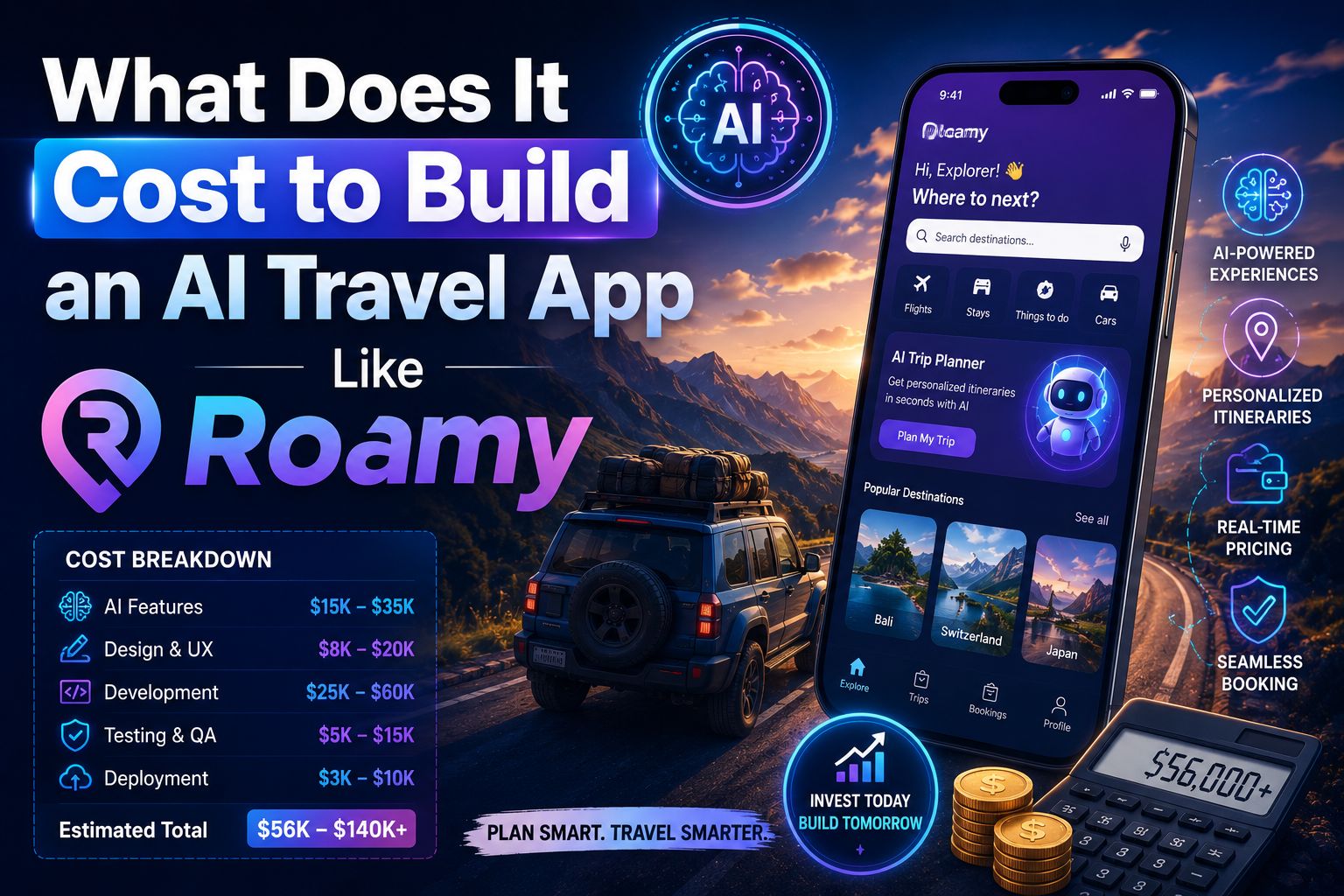
Development ComponentEstimated RangeUI/UX Design$10,000–$30,000Front-end Development$25,000–$60,000Back-end Development$35,000–$90,000API Integrations$15,000–$40,000Security and Compliance$15,000–$50,000Testing and QA$10,000–$30,000
Costs also continue after launch. Maintenance, infrastructure, updates, and customer support become ongoing operational expenses.
Challenges and Future Opportunities
Procurement technology faces multiple challenges including security expectations, integration complexity, and changing compliance requirements. Financial software demands exceptionally high trust levels. Even small failures can create significant consequences.
The opportunity landscape remains substantial. AI-powered recommendations, predictive purchasing intelligence, and autonomous workflows continue advancing. Procurement software increasingly resembles a business intelligence system rather than a transaction manager.
Organizations seek software capable of reducing manual effort while improving financial outcomes. Companies that deliver those outcomes can establish strong positions within an expanding market.
Conclusion
Building a procurement platform like Ramp involves much more than digitizing purchase approvals. Success requires combining automation, financial intelligence, security, workflow design, analytics, and seamless integrations into a unified ecosystem. Businesses now expect procurement software to become an active participant in decision-making rather than a passive record-keeping tool.
The next generation of procurement products will likely rely heavily on artificial intelligence and predictive systems. Companies entering this market should focus on solving real purchasing problems while maintaining exceptional usability. Platforms that simplify complexity often become category leaders. The future belongs to procurement experiences that feel effortless while delivering powerful operational control.
FAQs
1. How long does it take to build a procurement platform like Ramp?
Development timelines vary depending on complexity. A basic MVP may take four to six months, while enterprise-grade systems often require nine to eighteen months.
2. Which technologies are best for procurement software development?
React, Node.js, Python, AWS, PostgreSQL, and API-first architectures are commonly used technologies.
3. Is AI necessary in procurement platforms?
AI is not mandatory for an initial release, but intelligent automation increasingly influences purchasing efficiency and competitiveness.
4. What integrations should procurement platforms support?
Common integrations include ERP systems, accounting software, payment gateways, HR platforms, and communication tools.
5. How can procurement platforms generate revenue?
Revenue models often include subscriptions, transaction fees, premium features, and enterprise licensing.



Write a comment ...